Research
Scientific Analyses
"The great advances in science often come from questioning what everyone takes for granted."— Rupert Sheldrake
In this section, I publish my own scientific analyses and research on socially relevant topics. My analyses are based on thorough research and internal coherence. The concluding focus is always on solutions. I also share my own translations of other valuable, solution-oriented international content.
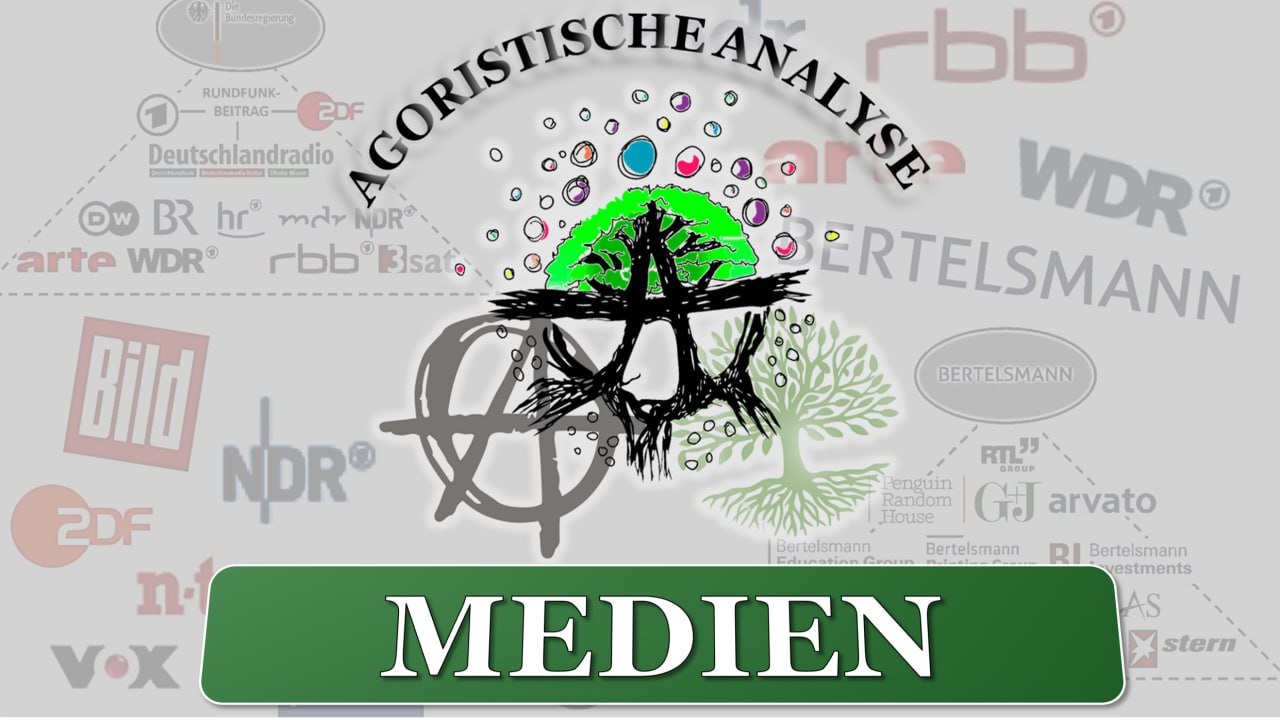
The German Media Landscape
Most people believe that when choosing their preferred print media and television programs, they can select from a wide variety of independent journalists and editorial teams. They assume that these outlets have only one goal: to inform consumers diversely and openly. As this paper shows, however, this is far from the truth. The most important media in Germany are dominated by only three centralized institutions. Germany's most influential media conglomerate has repeatedly sought proximity to the political establishment since its founding — without moral integrity — in order to maintain and expand its influence. There are also striking historical examples of how governments have used their own media to control and distract their populations. The paper presents solutions for how people can free themselves from foreign-controlled, prefabricated media narratives and empower themselves.
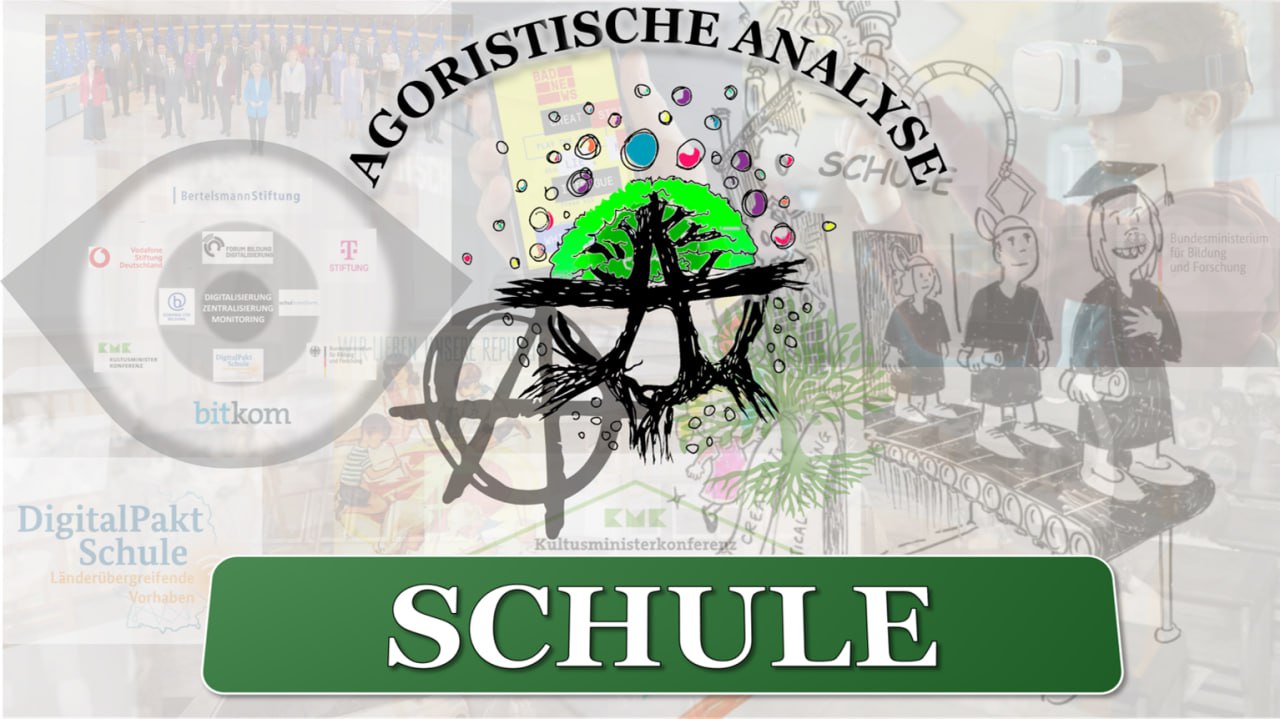
The State School System
The state school system in Germany and worldwide is officially regarded as a central institution for socialization and equal opportunity. This analysis argues that the education system serves more as an instrument of ideological conditioning than of genuine education. From the transfer of educational control from church to state during the Reformation in the German-speaking world, through the elaboration of the Prussian school system, centralized state-imposed education has served the purpose of shaping loyal and conformist citizens. Historical examples such as the Third Reich and the GDR document the abuse of education to enforce inhuman ideologies and show patterns of uniformity and propaganda. The study reveals that similar mechanisms persist in the 21st century through topics such as militarization, pre-bunking techniques for information control, and forced digitalization. The paper illuminates these mechanisms, questions the true functions of the school system, and presents alternative, decentralized educational models.
Freedom Cell Handbook
Translated from English by agora³ from Freedomcells.org. The Freedom Cell Handbook outlines a strategy for building decentralized, autonomous networks aimed at individual sovereignty and mutual aid. The handbook emphasizes non-violent, non-political cooperation and practical self-sufficiency — such as food storage, encrypted communication, and local trade. By focusing on localization and intra-group accountability, the network seeks to help participants withdraw from modern surveillance states and instead rely on voluntary community support.